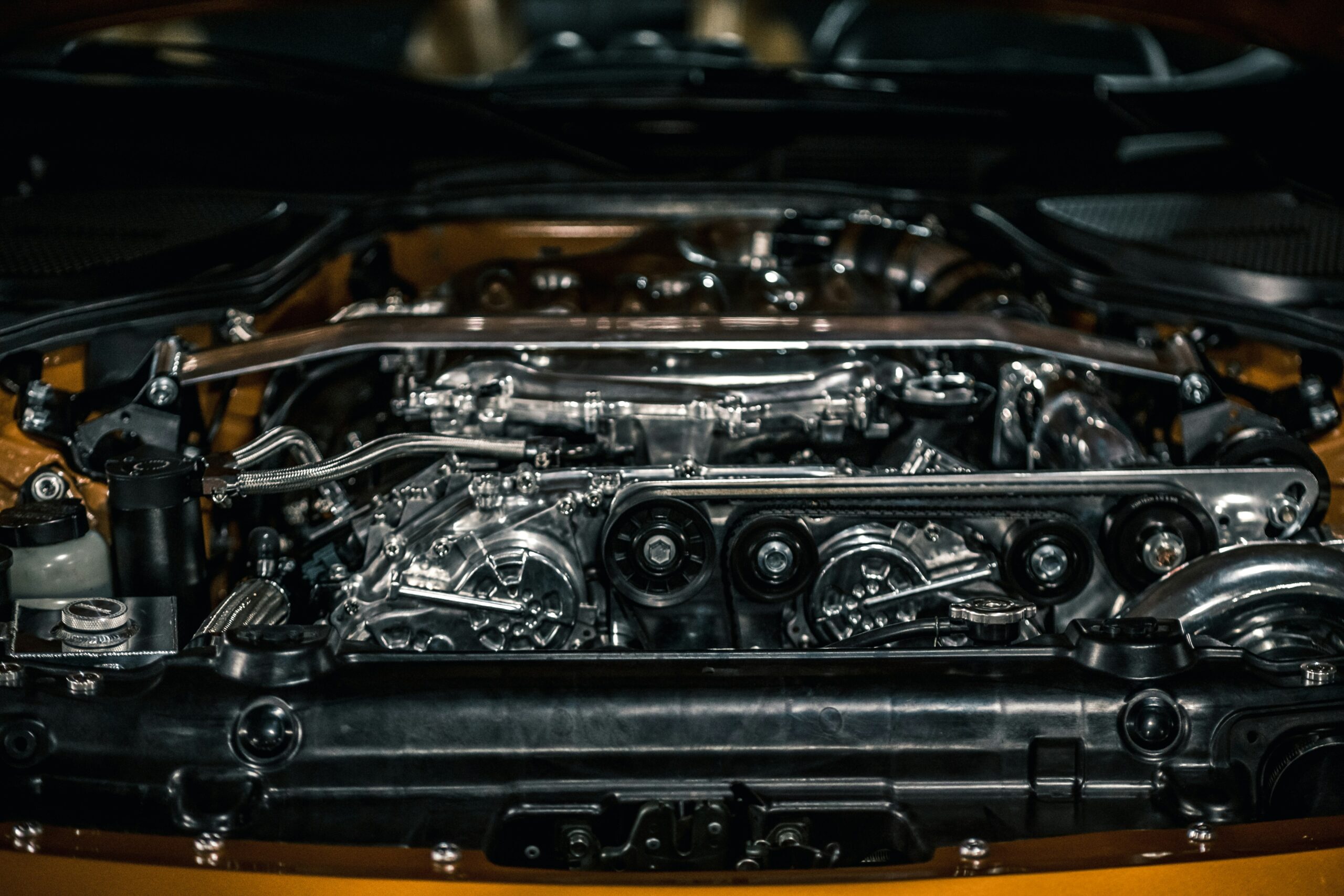
The pursuit of automotive perfection has transcended the boundaries of mass manufacturing to enter an era where mechanical artistry meets individualized expression in the form of bespoke engineering. For those who inhabit the apex of industrial success, a vehicle is no longer merely a means of transportation but a complex, high-performance sculpture that reflects a commitment to uncompromising quality and technical innovation.
The process of commissioning a bespoke automobile involves an intricate dialogue between the client and a team of master artisans, resulting in a machine that possesses a unique mechanical identity tailored to the specific physical and psychological preferences of its driver. By integrating aerospace-grade materials, proprietary engine architectures, and hand-finished cabin environments, these projects represent the absolute pinnacle of human labor and material science.
Every component, from the weight of the steering input to the acoustic resonance of the exhaust system, is calibrated to provide a visceral experience that connects the operator directly to the road in a way that standard production models simply cannot replicate. In this realm, the distinction between a car and a mechanical masterpiece lies in the intentionality of every fastener, the precision of every gear mesh, and the dedication to craftsmanship that takes thousands of man-hours to achieve.
Understanding the depth of this world requires an appreciation for the historical significance of traditional automotive design and the forward-looking integration of modern digital simulation. This comprehensive exploration of bespoke automotive engineering offers a glimpse into how one might secure a commission that stands as a lasting legacy of performance and style.
By focusing on the strategic aspects of procurement and the technical nuances of customization, you will gain the knowledge necessary to navigate this exclusive landscape with absolute confidence and purpose.
The Philosophy of Tailor-Made Performance

Bespoke engineering is built on the foundation that a vehicle should be an extension of the driver’s personality rather than a reflection of market trends. This philosophy demands that the designer and the engineer work in concert to eliminate all compromises.
A. Chassis dynamics are the primary focus of a bespoke build, as the structural stiffness determines how the vehicle handles the extreme forces generated by a custom-tuned powertrain. Using carbon fiber reinforced polymers allows for a level of rigidity that ensures predictable behavior at the limit of adhesion.
B. Powertrain customization involves adjusting the combustion profile or the electric torque delivery to match the specific power-to-weight ratio desired by the client. This level of technical personalization ensures that the vehicle behaves exactly as the driver intends in every situation.
C. Aerodynamic efficiency is achieved through computational fluid dynamics simulations that are specific to the unique bodywork of the commissioned car. This allows for a form that is both visually striking and functionally effective at high velocities.
Material Science in Elite Construction
The selection of materials is where the true luxury of bespoke engineering is revealed, as the goal is to reduce mass while increasing structural integrity. Rare metals and advanced composites are utilized to achieve a standard of performance that is unattainable with traditional materials.
A. Titanium components, such as exhaust systems and suspension links, provide an unmatched strength-to-weight ratio that significantly lowers the polar moment of inertia. This reduction in unsprung mass dramatically improves the responsiveness of the steering and the feedback from the road.
B. Exotic leathers and rare natural fibers are treated with proprietary techniques to ensure they can withstand the extreme temperatures and vibrations found within a high-performance cabin. Each material is sourced for its durability as much as its aesthetic appeal.
C. Ceramic composites are integrated into the braking systems to ensure consistent thermal performance under the intense strain of track-level use. These advanced materials provide a level of stopping power that remains fade-free regardless of the intensity of the driving.
The Role of Artisanal Craftsmanship
While engineering provides the mechanical soul of the vehicle, the artisanal finish provides the human connection that defines the bespoke experience. Master craftsmen spend hundreds of hours on individual details that might go unnoticed by the casual observer.
A. Hand-stitched upholstery is applied to every surface within the cabin, ensuring a level of fit and finish that is impossible to achieve with automated industrial stitching machines. This labor-intensive process is what creates the distinct tactile experience of a bespoke cockpit.
B. Custom-mixed paints and multi-layer finishes are applied by hand in specialized clean-room environments to ensure a depth and clarity that are unique to the commission. This creates a surface that changes its character based on the lighting conditions of the environment.
C. Bespoke switchgear and interface elements are machined from solid billets of metal to provide a weighted, positive tactile feedback. Each button and dial is designed to offer a sense of permanent, high-quality operation that reflects the overall build.
Digital Simulation and Precision Design
The modern bespoke process relies heavily on advanced digital modeling to ensure that the physical build meets the exact specifications of the design. This technology allows for the exploration of complex geometries that would have been impossible to manufacture in previous generations.
A. Finite element analysis is conducted to predict how different components will react to thermal and mechanical stress before the first part is even cast. This proactive approach significantly reduces the time required for mechanical development and testing.
B. Virtual reality design reviews allow the client to experience the proportions and ergonomics of their build in a digital space before construction begins. This eliminates the need for expensive physical prototypes and ensures complete alignment on the design goals.
C. Real-time data logging and telemetry are integrated into the vehicle’s electronic architecture to allow for remote diagnostics and fine-tuning. This level of connectivity ensures that the vehicle remains at the peak of its performance for its entire lifespan.
The Strategic Value of Bespoke Acquisitions
Acquiring a vehicle that has been custom-engineered is a significant capital deployment that requires a strategic approach. These assets are often viewed as long-term holdings that can serve as a hedge against the volatility of traditional luxury markets.
A. Provenance documentation is the most important part of the acquisition process, as it validates the historical significance of the engineering work. A complete record of the design process, including original sketches and technical blueprints, adds significant value to the final asset.
B. Maintenance requirements for bespoke engineering are far more demanding than those of production vehicles, requiring a dedicated team of master technicians. Planning for this ongoing investment is a necessary part of the ownership experience.
C. Secondary market liquidity for bespoke builds is unique, as these vehicles often appeal to a very specific set of collectors. Selling such a vehicle requires a targeted approach that highlights the engineering merits and the rarity of the commission.
Understanding the Engineering Ecosystem
Success in the bespoke world depends on building a relationship with the design houses and engineering firms that define the industry. Access to these groups is rarely available through public channels, making the role of the specialist broker vital.
A. Private design ateliers operate as closed-loop systems, taking on only a small number of commissions each year to maintain their standard of excellence. Establishing a relationship with these ateliers early in the process is essential for securing a build slot.
B. Marque-specific heritage departments provide a path for the restoration and modification of older, rare vehicles using original tooling and techniques. These departments are an invaluable resource for those looking to create a “restomod” that respects the history of the brand.
C. Auction houses that specialize in high-value automotive assets are the best sources for identifying which bespoke builders are currently setting the trends. Monitoring these sales provides insight into what features and designs are currently valued by the top collectors.
The Future of High-Performance Engineering
The integration of artificial intelligence and new powertrain technologies is fundamentally changing how bespoke vehicles are designed. We are entering an age where the performance of a bespoke build will be limited only by the imagination of the engineer.
A. Adaptive powertrain mapping will allow vehicles to switch between different performance profiles instantly, changing from a comfortable cruiser to a track-ready weapon with a single command. This versatility will become a standard expectation for top-tier commissions.
B. Autonomous safety systems are being integrated in ways that enhance, rather than replace, the driver’s experience. These systems focus on stability control and hazard avoidance, allowing the driver to push harder while maintaining a safety net.
C. Sustainable manufacturing practices are becoming a major focus, as bespoke builders seek to reduce the environmental impact of their production processes. This includes the use of bio-based composites and energy-efficient manufacturing methods.
Navigating the Legal and Compliance Landscape
Commissioning a bespoke vehicle involves a complex set of legal and regulatory requirements that vary significantly between jurisdictions. Navigating these laws is a critical task that requires expert legal and technical counsel.
A. Homologation requirements can vary widely, and a vehicle built for one market may require significant modification to be street-legal in another. Planning for these regulatory hurdles early in the design process is essential to avoid delays.
B. Import and export documentation must be handled with precision to ensure that all duties and taxes are paid correctly. Failing to properly document the provenance and value of the vehicle can lead to significant issues during transit.
C. Intellectual property rights related to the design and technology of the bespoke vehicle should be clearly defined in the commission agreement. Ensuring that you have clear ownership of the unique elements of your build is an important part of the contractual process.
The Role of Personal Identity in Design
Ultimately, a bespoke build is a mirror of the owner’s values and their passion for engineering. The process of defining this identity is one of the most rewarding aspects of the commission.
A. Developing a design brief requires a deep exploration of what you value in a driving experience, whether it is pure speed, tactile engagement, or technical innovation. This brief serves as the North Star for every engineering decision that follows.
B. Collaboration with the lead designers is a rare opportunity to influence the trajectory of automotive design. Sharing your unique perspectives and requirements can lead to breakthroughs that benefit the entire industry.
C. The legacy of your commission depends on how well it captures the spirit of the time while remaining timeless in its appeal. A design that is too focused on passing fads will age poorly, while one that respects fundamental engineering principles will remain relevant for generations.
Enhancing Performance Through Data
Modern bespoke engineering is a data-driven discipline where every decision is supported by rigorous analysis. This commitment to quantification ensures that the performance of the vehicle is predictable and reliable.
A. Real-world testing is conducted to correlate digital simulations with physical behavior. This iterative process is what allows bespoke vehicles to achieve a level of precision that is impossible for mass-produced cars.
B. Telemetry data from past track performance can be used to refine the chassis and suspension setups of future builds. This cumulative knowledge is what gives established bespoke builders a significant advantage over newcomers.
C. Predictive maintenance algorithms can identify potential issues before they become critical failures, ensuring that the vehicle remains in peak condition. This proactive approach is a hallmark of the most sophisticated engineering firms.
Sustainability and the Bespoke Industry
The move toward greener technology is impacting even the most elite segments of the automotive market. Bespoke builders are finding creative ways to marry performance with sustainability.
A. Recyclable materials are being used in ways that do not compromise the aesthetic or structural goals of the build. This focus on “circular” engineering is becoming an important part of the brand identity for many elite designers.
B. Energy-efficient manufacturing methods, such as additive manufacturing, allow for the creation of complex parts with zero waste. This technology is transforming how bespoke vehicles are constructed.
C. The long-term durability of a bespoke build is its greatest sustainable feature. A vehicle that is built to last for decades is inherently more responsible than one that is designed for a short lifecycle.
The Importance of Technical Documentation
Every bespoke vehicle is a unique entity that requires its own set of technical records. Maintaining this information is essential for both the operation and the future value of the asset.
A. Build logs document the entire lifecycle of the construction, from the initial engineering sketches to the final assembly notes. This documentation is what allows future technicians to maintain the vehicle correctly.
B. Software source code and digital model files should be retained as part of the vehicle’s permanent record. As technology evolves, having access to these files may be necessary for future upgrades or repairs.
C. A comprehensive user manual, written specifically for your build, should be provided by the engineering team. This guide ensures that you understand the nuances of your machine’s unique performance profile.
Conclusion

The creation of a bespoke vehicle is an epic journey. Engineering mastery remains the heart of every successful commission. Personal expression drives the unique design of every cabin. Advanced technology ensures that performance exceeds all expectations. Strategic planning protects the significant capital invested in each project. Artisanal details provide the human touch that defines luxury.
Technical precision is the standard for every bespoke manufacturer. Global standards require careful attention to all legal requirements. Your vision will live on through this mechanical masterpiece. This is the ultimate expression of automotive passion. The result is a permanent legacy of performance. The world of bespoke is waiting for you.